
Hearing that you need a filling can bring up a lot of questions, especially if it’s your first one or if it’s been a while since your last dental procedure. Fillings are one of the most common restorative treatments in dentistry, and for good reason, they stop decay in its tracks and restore a tooth to normal function before the damage has a chance to progress further.
The Dentist Says I Need a Filling; Now What?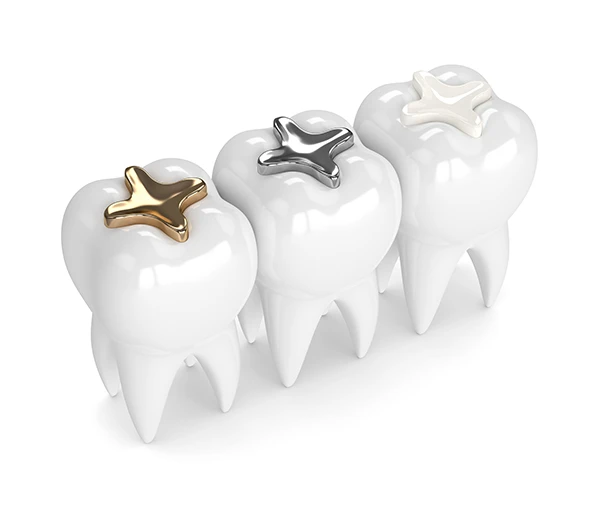
Once your dentist confirms that a filling is needed, the procedure itself is typically completed in a single appointment. The area around the affected tooth is numbed with a local anesthetic, so most patients feel little to no discomfort during the process. Once the area is fully numb, the dentist removes the decayed portion of the tooth using a dental drill or, in some cases, a laser or air abrasion instrument. The goal is to clear away all compromised material while preserving as much healthy tooth structure as possible.
After the decay has been removed, the cavity is cleaned and prepared to receive the filling material. Depending on the type of filling used, the process for placing it may vary slightly. Composite resin, for example, is applied in layers and hardened with a curing light, while amalgam is packed into the space and shaped to fit the tooth’s natural contours. Once the material is in place, the dentist will check your bite and make any necessary adjustments. The entire appointment typically takes less than an hour for a straightforward case.
How Long Do Fillings Last?
The lifespan of a filling depends on several factors, including the material used, the size and location of the filling, and how well you maintain your oral hygiene at home. Amalgam fillings, made from a combination of metals, are known for their durability and can last 10 to 15 years or longer with proper care. Composite resin fillings tend to have a slightly shorter lifespan, often in the range of 7 to 10 years, though advances in materials have improved their longevity considerably.
Fillings placed on teeth that experience heavy chewing forces, such as the back molars, tend to wear down more quickly than those on front teeth. Habits like teeth grinding or clenching, chewing ice, or biting hard objects can also shorten the life of a filling. Regular dental checkups allow your dentist to monitor the condition of existing fillings and catch any signs of wear, cracking, or new decay forming around the edges before a larger problem develops.
Are Fillings Always Needed as a Result of Cavities?
Not every cavity immediately requires a filling. In the very early stages of tooth decay, when damage is limited to the outer layer of enamel and has not yet broken through to create a true cavity, there may be an opportunity to reverse the process through remineralization. This can sometimes be achieved with fluoride treatments, improved brushing and flossing habits, and dietary changes that reduce exposure to acid-producing sugars.
However, once decay advances past the enamel and begins affecting the deeper layers of the tooth, a filling becomes necessary. At that point, the damaged tissue cannot repair itself, and the only way to restore the tooth and prevent further breakdown is to remove the decay and fill the space. Delaying treatment at this stage allows the decay to continue spreading, potentially reaching the inner pulp of the tooth and requiring a more involved procedure such as a root canal. A filling placed promptly is a far simpler and more conservative solution.
Are There Different Types of Fillings?
There are different types of fillings and the differences go beyond just appearance.
The most common options include composite resin, amalgam, ceramic, and glass ionomer, each with its own set of characteristics.
Composite resin fillings are tooth-colored and blend naturally with surrounding enamel, making them a popular choice for visible teeth. They bond directly to the tooth structure, which allows the dentist to remove less healthy tooth material during preparation.
~Amalgam fillings have been used in dentistry for well over a century and are valued for their strength and resistance to wear. They are silver in color, which makes them more noticeable, and are typically used in back teeth where chewing forces are greatest.
~Ceramic fillings, often made from porcelain, offer excellent aesthetics and are highly resistant to staining. They are a durable option but generally require more tooth preparation than composite.
~Glass ionomer fillings release fluoride over time, which can help protect the surrounding tooth structure from future decay. They are often used in areas that do not bear heavy chewing loads, such as along the gumline or in baby teeth.
The dentist will recommend the most appropriate material based on the location of the cavity, the extent of the damage, and your individual needs.
What Do I Need to Know Before My Dental Filling Appointment?
Preparing for a filling appointment is straightforward, but a few things are worth knowing in advance. Eating a full meal beforehand is a good idea, since the local anesthetic used during the procedure will leave your mouth numb for a few hours afterward, making it difficult and potentially unsafe to eat until the sensation returns. You may also want to avoid very hot or very cold foods and drinks for the first day or so after your appointment, as the treated tooth may be temporarily sensitive.
Let the dentist know about any medications you are currently taking, including over-the-counter supplements, as some can affect bleeding or interact with anesthetic agents. If dental anxiety is a concern, mention that as well. We can offer comfort measures or mild sedation options that can make the experience more manageable.
Plan for the appointment to take roughly 45 minutes to an hour, though more complex fillings may take a bit longer. Arranging transportation is worth considering if you are opting for sedation. Following your appointment, sticking to soft foods and practicing good oral hygiene around the treated area will support proper healing. Most patients return to their normal routine the same day with little to no disruption.
Need a Filling?
If you have a tooth that needs filled, contact Beckley Family Dental Group at (503) 776-3657 to schedule an appointment.