
At Beckley Family Dental Group, we offer dental bridges as a reliable way to replace missing teeth and restore the natural function of your bite for patients throughout Canby. We understand that missing teeth do more than change how your smile looks. They can affect how you bite and chew, place pressure on neighboring teeth, and change the contours of your face over time.
What is a Dental Bridge?
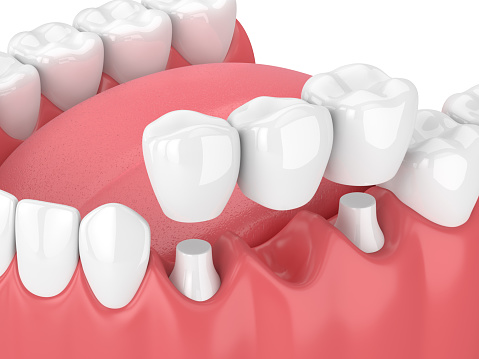
A dental bridge is a fixed dental restoration designed to bridge the gap created by one or more missing teeth. It consists of replacement teeth, called pontics, anchored on either side by crowns placed over the adjacent natural teeth or dental implants. These anchoring teeth are referred to as abutments. Unlike a removable denture, a bridge is cemented or bonded permanently in place, so it functions much like your natural teeth.
Bridges are used to restore the appearance of a complete smile, but their role goes well beyond cosmetics. A missing tooth can cause the surrounding teeth to shift or tilt into the open space, which can lead to bite problems, jaw discomfort, and uneven wear on your remaining teeth. A bridge fills that space, helps keep your bite aligned, and makes chewing and speaking feel normal again. A bridge can also help maintain the natural shape of the lower face.
Are There Different Types of Bridges?
There are several types of dental bridges, each suited to a different situation depending on the location of the missing tooth, the health of the surrounding teeth, and how many teeth need replacing. Our dental team will examine your mouth and review your dental history before recommending the option that best matches your needs.
Traditional Bridges
A traditional bridge is the most common type and is used when natural teeth are present on both sides of the gap. The teeth on either side of the missing tooth are prepared and fitted with crowns, and a pontic is fused between them to fill the space. Traditional bridges are strong and stable, able to withstand normal biting forces, making them a practical choice for replacing teeth anywhere in the mouth.
Cantilever Bridges
A cantilever bridge is used when there is only one natural tooth adjacent to the gap rather than teeth on both sides. The pontic is anchored to a crown on that single supporting tooth. Because this places more force on one tooth, it is typically used in areas with lighter biting pressure, such as the front teeth.
Maryland Bridges
A Maryland bridge, also called a resin bonded bridge, uses a metal or porcelain framework bonded to the back of the adjacent teeth rather than full crowns. Because the surrounding teeth require minimal alteration, this option preserves more of the natural tooth structure. Maryland bridges are often used to replace front teeth, where the bonded framework can be hidden behind the teeth and the visible pontic blends in with the smile.
Implant Supported Bridges
An implant supported bridge replaces multiple missing teeth using dental implants as the anchors instead of natural teeth. This approach works well when several adjacent teeth are missing or when the neighboring teeth cannot support a traditional bridge. Because the bridge is secured to the jawbone through the implants, it provides a stable, long term foundation without placing extra strain on the remaining natural teeth.
Dental Bridge Procedure
Getting a dental bridge typically takes place over two or more visits. During the first appointment, the dentist prepares the abutment teeth by removing a thin layer of enamel to make room for the crowns that will anchor the bridge. Impressions or digital scans are then sent to a dental laboratory, where your custom bridge is made to match the shape, size, and color of your natural teeth.
While the permanent bridge is being made, a temporary bridge is placed to protect the prepared teeth and maintain your appearance and ability to chew. Once the permanent bridge is ready, you will return to Beckley Family Dental Group so the dentist can check the fit, color, and bite alignment, and make adjustments as needed before the bridge is permanently cemented into place. If your bridge is implant-supported, the process includes an earlier stage in which the implants are placed and given time to integrate with the jawbone before the bridge itself is attached.
How Long Do Bridges Last?
With proper care, a dental bridge can last between 10-15 years, and many bridges remain functional well beyond that with consistent maintenance. The lifespan of a bridge depends largely on the health of the abutment teeth or implants supporting it, along with daily oral hygiene habits and regular dental checkups. Teeth grinding, gum disease, and decay around the supporting teeth can shorten a bridge’s lifespan, so addressing these issues early helps protect your results. Routine visits to Beckley Family Dental Group allow the dentist to monitor the bridge and the surrounding teeth, catching small issues before they become bigger problems.
How Do I Clean My Tooth Bridge?
Cleaning a dental bridge takes a bit more attention than brushing alone, since the pontic sits above the gumline where food particles and plaque can collect.
A consistent daily routine helps protect both the bridge and the teeth supporting it.
Brush twice a day with a soft bristled toothbrush, paying attention to the gumline around the abutment teeth
~Use a floss threader or specialized bridge floss to clean underneath the pontic, where regular floss cannot reach
~Consider a water flosser to help dislodge debris from hard to reach areas around the bridge
~Rinse with an antimicrobial or fluoride mouthwash to reduce plaque buildup
~Avoid chewing on very hard foods like ice or hard candy, which can damage or dislodge the bridge
Keeping up with these habits, along with regular cleanings at Beckley Family Dental Group, helps prevent gum disease and decay around the supporting teeth, both of which can shorten the life of your bridge.
Talk To Our Canby Dental Team About Bridges
If you are missing one or more teeth and want to find out whether a dental bridge is right for you, our team at Beckley Family Dental Group is ready to help. We will discuss your options, answer your questions, and recommend a solution that fits your smile and daily routine. Call (503) 776-3657 to schedule a consultation and take the next step toward restoring a complete, comfortable bite.