
A damaged, decayed, or weakened tooth doesn’t have to mean losing that tooth altogether. At Beckley Family Dental Group], dental crowns offer a reliable way to protect a tooth’s remaining structure while restoring its strength, shape, and appearance. Whether a tooth has been worn down from years of grinding, cracked from an injury, or treated after a root canal, a well fitted crown can restore comfortable, natural function. For patients in Canby and the surrounding communities, understanding how crowns work, what they’re made of, and when they’re recommended can make the process feel less overwhelming.
What Is A Dental Crown?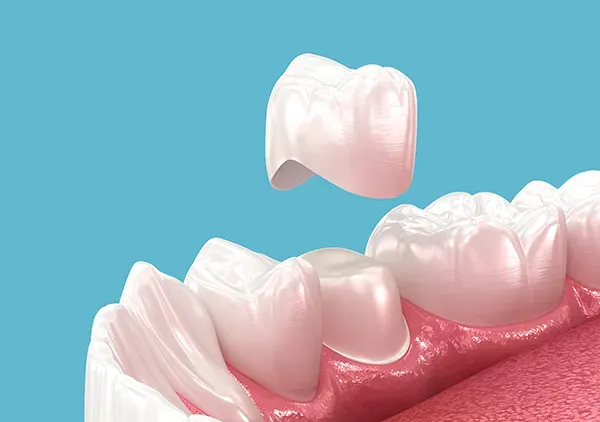
A dental crown is a custom made cap that fits over an entire tooth, covering it completely from the gumline up. Unlike a filling, which repairs only a small portion of a tooth, a crown surrounds and supports the whole visible structure above the gums. Crowns are designed to match the shape, size, and color of the surrounding teeth, allowing them to blend naturally with the rest of a patient’s smile. Before placing a crown, the dentist will gently reshape the tooth, removing a thin layer of the outer surface to make room for the new covering. This step allows the finished crown to fit snugly over the tooth without feeling bulky, uneven, or noticeable when biting and chewing.
Types Of Tooth Crowns
Several types of crowns are available, and each one is suited to different teeth, bite patterns, and cosmetic goals.
All Ceramic And Porcelain Crowns
Made entirely from ceramic material, these crowns are valued for their natural, tooth-like appearance. They are often chosen for front teeth, where blending in with the surrounding enamel matters most to patients.
Zirconia Crowns
Zirconia is an exceptionally strong material that holds up well under the everyday pressure of chewing and biting. It can also be shaded to closely match nearby teeth, making it a versatile choice for both front and back teeth.
Porcelain-Fused-To-Metal Crowns
This option combines a metal base for added strength with a porcelain outer layer for a more natural look. The metal core provides extra durability, which can be especially helpful for molars that handle heavier chewing forces.
Gold And Metal Alloy Crowns
Metal crowns are known for their long term durability and resistance to wear over time. While their color makes them less common for teeth that show, they remain a dependable option for back teeth where strength is the top priority.
Why Are Crowns Needed?
Crowns are recommended for a variety of reasons, often after a tooth has become weakened or compromised. A cavity too large or deep for a standard filling may need a crown to hold the remaining tooth structure together. Teeth that have undergone root canal therapy tend to become more brittle over time and benefit from the added protection a crown provides. Cracked, fractured, or significantly worn teeth, particularly those affected by long term grinding, can often be restored with a crown rather than removed. Crowns are also used for cosmetic reasons, reshaping a tooth that’s discolored, oddly shaped, or noticeably smaller than its neighbors.
Same Day Crowns Vs Normal Crowns
Both same day crowns and traditional crowns serve the same basic purpose, covering and protecting a damaged tooth with a durable, custom-fitted restoration. The materials used for each can be similar, and both are designed to match the color, shape, and contour of natural teeth.
The biggest difference lies in how each one is made and how long the process takes. Traditional crowns are typically fabricated in an outside dental lab, so the tooth is covered with a temporary crown while the permanent restoration is created, often requiring a follow up visit weeks later. Same day crowns are designed and milled right in the office using digital scanning technology, allowing the entire process, from preparation to final placement, to be completed in a single appointment without a temporary crown.
How Long Do Crowns Last?
With proper care, dental crowns can last for many years, though their exact lifespan depends on the material used, the location of the tooth, and a patient’s daily habits. Crowns placed on back teeth, which absorb more chewing pressure, may show wear sooner than those placed on front teeth. Brushing twice daily, flossing around the crown, and avoiding habits like chewing ice or grinding and clenching the teeth can help a crown hold up over time. Routine checkups also give the dentist the chance to monitor the crown’s condition and catch any issues early, before they become bigger problems.
Dental Crowns As Part Of A Dental Implant
Many patients think of crowns only as a way to restore a natural tooth, but crowns also play an essential role in completing a dental implant. A dental implant is a small post placed into the jawbone, acting as a replacement for the root of a missing tooth. Once the implant has integrated with the surrounding bone, a custom crown is attached on top, becoming the visible, functional part of the new tooth. Without this final crown, an implant would remain a structure beneath the gumline, not something a patient could chew with or show in their smile. The crown completes the restoration, giving the implant its natural shape, bite function, and appearance.
Materials Used For Dental Crowns
Choosing the right material for a crown depends on several factors, including which tooth is being restored, how much chewing force that area receives, and a patient’s preferences for appearance. Ceramic and zirconia options are frequently selected for their ability to mimic the translucency and natural color of tooth enamel, making them well suited for teeth that show when smiling or speaking. Porcelain-fused-to-metal and metal alloy crowns may be recommended for molars, where strength and durability are the higher priority. The dentist will evaluate the tooth’s condition and location, along with each patient’s goals, before recommending the best material for their needs.
Schedule Your Dental Crown Consultation In Canby
If a tooth has been damaged, weakened, or treated with a root canal, a dental crown may help restore its strength and natural appearance. The team at Beckley Family Dental Group is ready to evaluate whether a crown, or another restorative option, is right for your smile. Call (503) 776-3657 to schedule an appointment and learn more about the crown options available in Canby, OR.