
A dental implant is a long-term tooth replacement option designed to  restore the look and function of a missing tooth. Implants replace the tooth root with a small post that is placed into the jawbone, then topped with a custom restoration such as a crown, bridge, or denture. The result is a stable replacement that can help you chew comfortably, speak clearly, and maintain a natural-looking smile. For patients in Canby, OR, Beckley Family Dental Group offers dental implant care and implant restorations based on your needs, oral health, and treatment goals.
Missing teeth affect more than appearance. When a tooth is lost, the bone in that area can begin to shrink over time because it is no longer stimulated by chewing forces. Nearby teeth may drift into the open space, which can change bite alignment and create new cleaning challenges. Replacing a missing tooth with an implant can help stabilize the area and reduce many of the long-term effects associated with tooth loss.
Dental implants are often chosen because they feel more like natural teeth than removable options. They are fixed in place, do not rely on neighboring teeth for support the way a traditional bridge does, and can be used to replace a single tooth or support multiple teeth.
What are Dental Implants?
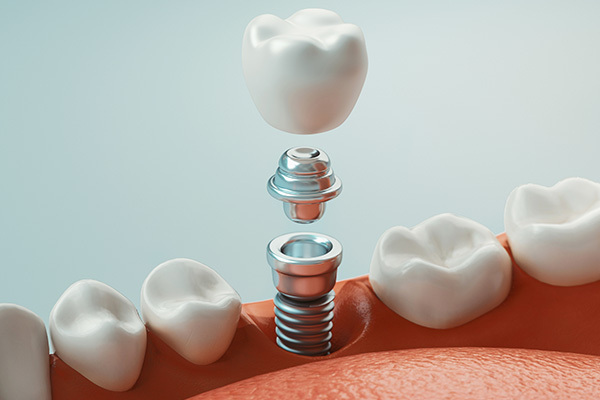
A dental implant is a small titanium or titanium-alloy post that functions like an artificial tooth root. After it is placed into the jawbone, the bone heals and bonds to the implant through a process called osseointegration. Once the implant is stable, it can support a crown (for one missing tooth), a bridge (for several missing teeth in a row), or a full-arch restoration (for many or all missing teeth).
A complete implant tooth replacement typically includes:
- The implant post placed in the jawbone
- An abutment, which connects the implant to the restoration
- The final restoration (crown, bridge, or denture) designed to match your bite and smile
Implant restorations are customized for comfort and appearance. The goal is to create a replacement that looks natural, fits your bite, and is easy to keep clean.
When are Dental Implants Recommended?
Dental implants can be a good option for adults who are missing one or more teeth and want a stable, fixed replacement. They are commonly recommended when you want to restore function while also helping preserve jawbone in the area of tooth loss.
Dental implants may be considered for:
- A single missing tooth
- Multiple missing teeth in a row
- Support for a partial denture that needs more stability
- Full-arch replacement for extensive tooth loss
- Replacing missing teeth without reshaping healthy neighboring teeth
Eligibility depends on overall oral health, gum condition, available bone, and medical history. Some people may need additional procedures, such as bone grafting, if bone volume is insufficient for stable implant placement.
Types of Implant Restorations
Implants can be used in different ways depending on how many teeth are missing and what type of restoration best fits your needs.
Single-tooth implant crown
This replaces one missing tooth. A crown is attached to the implant, and the restoration functions like a natural tooth. Because it is supported by the implant, neighboring teeth usually do not need to be altered.
Implant-supported bridge
When multiple teeth are missing in a row, two or more implants can support a bridge. This can reduce the number of implants needed compared with replacing each tooth individually, while still providing a fixed and stable result.
Implant-supported denture or full-arch restoration
For extensive tooth loss, implants can anchor a denture or full-arch bridge to improve stability and chewing power. Some designs are removable for cleaning, while others are fixed and only removed by a dental professional.
Your dental team can explain which approach best fits your anatomy, bite forces, and preferences.
What to Expect During the Dental Implant Process
Dental implant treatment is typically completed in stages. The timeline depends on healing, bone health, and whether extra procedures are needed.
A typical implant process may include:
- Consultation, exam, and imaging to evaluate bone levels, gum health, bite alignment, and treatment goals
- Treatment planning, including decisions about implant position and the type of final restoration
- Implant placement, where the implant post is placed into the jawbone
- Healing and osseointegration, allowing the implant to become stable in the bone
- Abutment placement and impressions or digital scans for the final restoration
- Final restoration placement and bite adjustment for comfort and function
In some cases, a temporary tooth replacement may be used during healing. If a tooth must be extracted, implant planning may occur before or after the extraction depending on the condition of the site.
Bone Grafting and Sinus Lifts
Some patients need additional support to create a strong foundation for implants. If the jawbone has shrunk or is too thin, bone grafting may be recommended to rebuild volume. For upper back teeth, a sinus lift may be considered when sinus anatomy limits the available bone height. These procedures are not needed for everyone, but they can improve long-term implant stability when bone support is limited.
Benefits of Dental Implants
Implants offer functional and structural advantages because they replace the tooth root as well as the visible tooth.
Key benefits often include:
- Strong, stable chewing function that feels more natural than many removable options
- A fixed replacement that does not rely on neighboring teeth for support
- Help in maintaining bone in the area of tooth loss by providing chewing stimulation
- Improved comfort and confidence compared with loose-fitting dentures
- A natural-looking result with a custom crown or restoration
Implants are not “maintenance-free,” but they can be an excellent long-term option when cared for properly.
How to Care for Dental Implants
Implants require daily hygiene just like natural teeth. The implant material cannot decay, but the gums and surrounding tissues can become inflamed if plaque accumulates.
This can lead to peri-implant disease, which can threaten the stability of the implant if not addressed.
Good implant care includes:
- Brushing twice daily, focusing on the gumline
- Cleaning between teeth daily with floss or interdental brushes
- Using a water flosser if recommended for your implant design
- Keeping regular dental cleanings so the implant and gums can be monitored
- Managing grinding or clenching with a nightguard if needed
Routine exams help check the implant restoration, bite forces, and gum health around the implant.
How Long do Dental Implants Last?
Dental implants are designed to be long-lasting. The implant post can remain stable for many years when the bone and gums stay healthy. The restoration on top (crown, bridge, or denture) may need maintenance or replacement over time depending on wear, bite forces, and material.
Factors that influence implant longevity include oral hygiene, smoking status, uncontrolled diabetes, grinding habits, and regular professional care. Monitoring the implant over time helps catch issues early, such as inflammation or changes in bite.
Dental Implants vs. Bridges and Dentures
A traditional bridge replaces a tooth by using neighboring teeth as support, which usually requires reshaping those teeth for crowns. An implant-supported crown replaces the missing tooth without relying on adjacent teeth. Dentures can replace many teeth but may shift or reduce chewing efficiency, whereas implant-supported dentures can significantly improve stability.
Choosing between options depends on how many teeth are missing, the condition of your remaining teeth, bone health, and your preferences for fixed versus removable solutions.
FAQs
Are dental implants safe?
Dental implants are a widely used tooth replacement option. Treatment planning and careful placement help support safety and long-term success. Your dental team will review your medical history and oral health to determine if implants are appropriate for you.
How long does the implant process take?
The total time varies. Healing and bonding to the bone take time, and additional procedures like grafting can extend the timeline. Your treatment plan will outline the expected stages and sequence for your case.
Will an implant look like a natural tooth?
Yes. The crown or restoration is custom-made to match the shape and color of nearby teeth. The goal is a natural appearance and comfortable bite.
Can I get an implant if I have gum disease?
Gum disease needs to be treated and controlled before implant placement. Healthy gums and good home care support better implant outcomes.
Do implants require special cleaning tools?
Many people clean implants with a toothbrush and floss, but interdental brushes, floss threaders, or water flossers can be helpful depending on your restoration type. Your dental team can recommend tools that match your implant design.