
A dental filling is one of the most common ways to repair a tooth affected by a cavity, minor fracture, or everyday wear. The purpose is simple: remove damaged tooth structure, seal the area, and restore normal chewing function while helping protect the tooth from further decay. At Beckley Family Dental Group in Canby, OR, fillings are used to strengthen teeth, reduce sensitivity, and keep small problems from becoming bigger ones.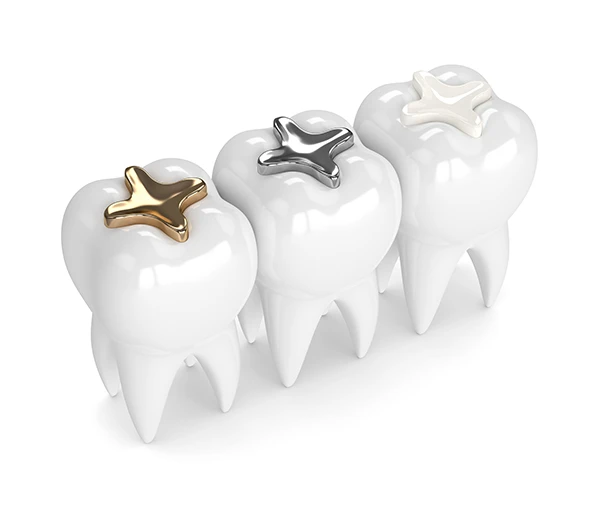
Tooth decay can start quietly. Bacteria in plaque feed on sugars and produce acids that weaken enamel over time. Once a cavity forms, that area cannot “grow back” on its own, so the damaged part of the tooth must be cleaned out and replaced with a restorative material. A well-placed filling creates a tight seal that helps block bacteria and food debris from re-entering the space.
Fillings are also used to fix chipped edges, small cracks, worn biting surfaces, and older restorations that have broken down. Whether the goal is comfort, function, or prevention, treating issues early usually means a smaller, more conservative repair and a better long-term outlook for the tooth.
What Is a Dental Filling?
A dental filling is a restoration placed into a tooth after the dentist removes decay or damaged tooth structure. The filling replaces the missing portion of the tooth and helps recreate a smooth, stable surface you can chew on comfortably. The restoration also helps support the surrounding enamel, which may become fragile when decay undermines the tooth from the inside.
Many cavities do not hurt at first, especially when decay is limited to the outer enamel. That is why regular exams and dental X-rays are important: they can detect early decay between teeth or under the biting surface before it becomes painful. When decay reaches deeper layers of the tooth, symptoms may include sensitivity to cold or sweets, pain when biting, or a lingering ache.
Replacing a failing filling is also common. Over time, older fillings can wear down, crack, or develop tiny openings along the edges. Those gaps can let bacteria in, leading to new decay beneath the restoration. Addressing these issues early can help avoid more extensive treatment later.
What Problems Can Fillings Treat?
Fillings are used to repair a range of tooth damage that is not severe enough to require a crown. They are designed to restore both form and function while protecting vulnerable tooth structure.
Cavities (Tooth Decay) – Removes decayed enamel and dentin and seals the tooth to help prevent the cavity from expanding.
Chips and Minor Fractures – Repairs small breaks in enamel, especially along edges or corners.
Worn Tooth Surfaces – Restores areas worn down by grinding, acid erosion, or long-term wear.
Replacing Old Fillings – Updates restorations that are cracked, leaking, stained, or no longer fitting well.
Even when a tooth “looks fine,” small defects can trap plaque and make cleaning harder. A filling can smooth the surface, improve cleanability, and reduce the chance of bacteria staying in place long enough to cause more damage.
Types of Dental Fillings
There are different filling materials, and each has advantages depending on where the tooth is located and how much structure needs to be restored. The best option balances strength, aesthetics, longevity, and your specific needs.
Composite (Tooth-Colored) Fillings – A resin material bonded to the tooth and shaded to blend with natural enamel, commonly used in visible areas and many back teeth as well.
Amalgam (Silver) Fillings – A strong, long-standing material often used in molars where chewing forces are heavy.
Glass Ionomer Fillings – A material that can release fluoride over time and may be used in certain low-stress areas or in situations with higher cavity risk.
Indirect Restorations – When the area is too large for a standard filling, a lab-made or milled restoration may be recommended for strength and precision.
Composite fillings are popular because they blend in well and bond to tooth structure. Amalgam has a long history of durability, especially in high-bite-pressure areas. Glass ionomer can be useful in select cases where fluoride release is beneficial. Indirect restorations may be recommended when a tooth needs more reinforcement than a direct filling can provide.
Your dental team will evaluate the tooth, your bite, and cavity risk factors before recommending the most appropriate material.
What to Expect During the Filling Process
A filling appointment is typically efficient and focused on comfort and precision. While the exact steps vary based on the tooth and filling type, most visits follow a similar sequence.
- Exam and diagnosis, often including X-rays to confirm the size and location of decay.
- Numbing the tooth and surrounding area to keep you comfortable during treatment.
- Removing decay and cleaning the prepared area to eliminate weakened tooth structure and bacteria.
- Placing the filling material and shaping it to match your natural tooth contours.
- Checking your bite and polishing the restoration so it feels smooth and functions normally.
If you receive a tooth-colored filling, bonding steps are used to help the composite adhere securely to enamel and dentin. The material is placed in layers and hardened with a curing light. Final bite adjustment is important, because even a slightly high spot can cause discomfort when chewing.
Some people experience mild sensitivity afterward, especially with deeper cavities. This often resolves as the tooth settles. If discomfort persists or your bite feels uneven, an adjustment may be needed to restore comfort.
How Long Do Dental Fillings Last?
Filling longevity depends on the size of the restoration, the material used, the tooth’s location, and daily habits. Chewing forces are highest in molars, so back-tooth fillings may experience more wear over time. Grinding or clenching can also shorten the lifespan of restorations.
Good home care and regular checkups help fillings last longer. Brushing twice daily, flossing once daily, and limiting frequent sugary snacks reduces the likelihood of decay forming around the edges. Routine exams allow your dental team to monitor fillings for early signs of wear or leakage.
Common signs a filling may need attention include sensitivity that is new or worsening, pain when biting, a rough edge, visible cracking, or food frequently packing into one spot. Detecting problems early can sometimes allow a simple repair instead of a larger restoration.
Aftercare Tips for a New Filling
Most people return to normal activities the same day. If you were numbed, it is best to avoid chewing on the numb side until sensation returns to reduce the chance of biting your cheek or tongue. Some temporary sensitivity to temperature or pressure is normal, particularly after deep fillings.
Wait for numbness to fade – Chew carefully until full sensation returns.
Start with softer foods if needed – If the tooth is tender, choose gentler foods for a short period.
Keep brushing and flossing – Cleanliness around the restoration helps prevent new decay at the margins.
Pay attention to your bite – If the filling feels high or you have sharp pain when chewing, a bite adjustment can help.
If sensitivity is severe, lasts longer than expected, or is accompanied by swelling or throbbing pain, it may indicate a deeper issue within the tooth that needs evaluation.
When a Filling May Not Be Enough
Fillings are ideal when damage is limited to a small or moderate area. When a tooth has extensive decay, large fractures, or significant structural weakness, another type of restoration may provide better protection.
A crown can reinforce a tooth by covering it and distributing bite forces more evenly. If decay reaches the nerve, treatment may be needed to address infection or inflammation before the tooth can be restored. In very early stages of demineralization, preventive strategies may slow or stop progression before a cavity forms.
The right approach is based on preserving as much healthy tooth structure as possible while providing a durable, comfortable result.
FAQs
Are tooth-colored fillings strong enough for back teeth?
In many cases, yes. Tooth-colored composite fillings bond to the tooth and can be a durable option for molars, depending on the size of the cavity and bite forces. Your dental team can recommend the best material based on the tooth’s condition and function.
How long does it take to get a filling?
Many fillings are completed in a single appointment. The exact time depends on the number of teeth being treated, the location of the cavity, and the type of filling material used.
Why does my bite feel different after a filling?
A new filling is shaped to fit your bite, but sometimes a small high spot remains. If your tooth hits first or chewing feels uncomfortable, a simple bite adjustment can improve comfort quickly.
Can a cavity go away without a filling?
Once a true cavity has formed, the lost tooth structure cannot regrow, and a filling is typically needed to remove decay and seal the tooth. Early demineralization may be slowed or improved with preventive care, depending on the situation.
What should I do if my filling falls out?
Keep the area clean, avoid chewing on that side, and schedule an evaluation as soon as possible. A missing filling can expose the tooth to sensitivity and further damage if left unaddressed.