
A dental crown is a protective covering that fits over a tooth to restore strength, shape, and function when natural tooth structure has been weakened. Crowns are commonly recommended after large cavities, fractures, root canal treatment, or significant wear. They help protect the tooth from further damage, improve chewing comfort, and can also enhance the tooth’s appearance when discoloration or shape issues are present. For patients in Canby, OR, Beckley Family Dental Group uses crowns to reinforce teeth so they can function comfortably and reliably for everyday eating and speaking.
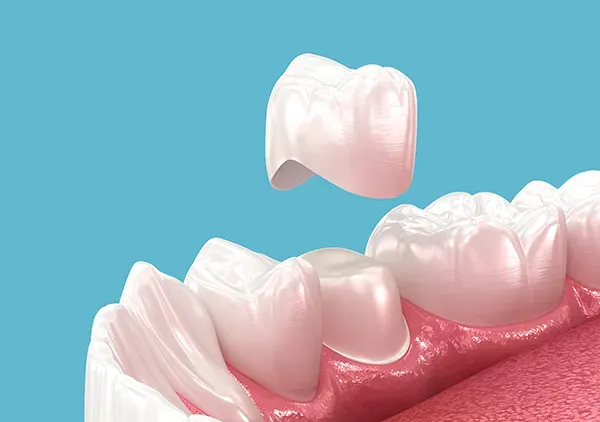 Unlike a filling, which replaces only a missing portion of the tooth, a crown covers the tooth more completely. This full coverage allows the restoration to “hold together” a tooth that might otherwise crack or break under chewing forces. Crowns can be used for back teeth that handle heavy bite pressure, as well as front teeth when aesthetics are important. The overall goal is to restore a tooth so it looks natural, feels stable, and fits your bite correctly.
What is a Dental Crown?
Dental crowns are a custom-made cap that fits over a prepared tooth. It replaces the outer portion of the tooth structure and restores the tooth’s normal size, shape, and strength. A crown also creates a protective barrier against bacteria and daily wear, which is especially important when a tooth has deep decay, large restorations, or cracks.
Crowns are designed to function like natural teeth. They should feel comfortable when you bite and chew, and they should not create food traps or cause irritation along the gumline. When properly fitted, a crown helps keep the tooth stable and protects it from future fractures that can occur in weakened enamel.
In many cases, crowns are part of long-term planning to preserve the natural tooth. Saving a damaged tooth with a crown can support the surrounding teeth, maintain bite alignment, and help you avoid more complex procedures that may be required if a tooth breaks beyond repair.
When is a Dental Crown Needed?
A crown may be recommended when a tooth needs more coverage and reinforcement than a filling can provide. Teeth endure significant pressure during chewing, and compromised tooth structure is more likely to crack or split. Crowns help distribute bite forces and protect the remaining tooth.
Common reasons a crown may be recommended include:
- A large cavity or extensive decay where a filling would not be stable
- A cracked or fractured tooth that needs full coverage protection
- After root canal therapy, especially on back teeth
- Worn or weakened teeth from grinding, erosion, or long-term wear
- Replacing a large or failing restoration
- Cosmetic improvement for shape, symmetry, or discoloration when other options are not ideal
Not every damaged tooth needs a crown. For smaller issues, a filling may be sufficient. The decision depends on how much healthy tooth remains, the tooth’s location, bite forces, and the risk of future fracture.
Types of Dental Crown Materials
Crowns can be made from several materials. The best option depends on the tooth’s location, your bite, and aesthetic goals.
Porcelain or ceramic crowns are known for their natural appearance and are commonly used for front teeth and visible areas. Zirconia crowns are a very strong ceramic option that can work well for back teeth and heavier bite forces while still providing a tooth-colored look. Porcelain-fused-to-metal crowns combine a metal substructure with a porcelain exterior, offering strength with a natural-looking surface. Metal crowns are highly durable and can require less tooth reduction, but they are more noticeable because of their color.
Material choice can influence how much tooth structure must be removed, how the crown wears against opposing teeth, and how it looks near the gumline. For many patients, modern ceramics offer an excellent balance of durability and aesthetics, but each case is different, especially if you clench or grind your teeth.
What to Expect During the Dental Crown Process
Getting a crown typically involves a planning phase, tooth preparation, and final placement. Some crowns can be made and placed in one visit in certain situations, while others are created by a dental laboratory and placed at a second appointment.
The process often includes:
- A comprehensive exam and imaging to confirm the tooth can be restored and to plan the crown design
- Numbing the area to keep you comfortable during preparation
- Removing decay or weak structure and shaping the tooth so the crown can fit securely
- Taking impressions or digital scans to capture accurate measurements
- Placing a temporary crown when a lab-made crown is being created
- Cementing the final crown and adjusting the bite so it feels balanced and natural
If a temporary crown is used, it protects the tooth between visits. Because temporary crowns are intended for short-term wear, avoiding very sticky foods and chewing carefully can help keep them in place. When the final crown is placed, bite adjustment is an important step. A crown that is slightly “high” can cause soreness or sensitivity when chewing, and minor refinements can make a big difference in comfort.
How to Care for a Dental Crown
Crowns are durable, but they still require consistent care. The crown itself cannot develop decay, but the natural tooth structure underneath and the edges along the gumline can still be affected by cavities or gum disease.
To help protect a crown and the tooth supporting it:
- Brush twice daily, paying attention to the gumline
- Floss every day to reduce plaque buildup between teeth and around the crown margin
- Consider tools like interdental brushes or a water flosser if recommended
- Avoid using teeth as tools or chewing ice and other hard items
- If you grind or clench, ask about a nightguard to reduce stress on restorations
Regular dental exams help monitor the crown’s fit, the health of the tooth underneath, and the condition of the gums. Early detection of a bite imbalance or gum irritation can prevent complications.
How Long do Dental Crowns Last?
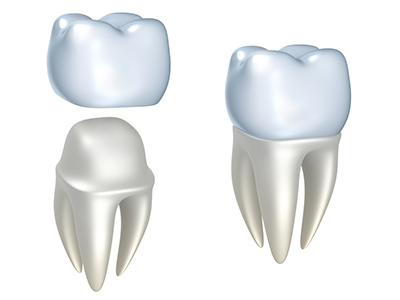
Crown longevity varies based on material, bite forces, oral hygiene, and habits. A crown can last many years when the tooth is healthy and the restoration is well maintained. Common reasons crowns need replacement include normal wear, chipping, recurrent decay at the edges, or changes in the underlying tooth structure.
Signs a crown may need attention include pain when biting, persistent sensitivity, a loose feeling, visible cracks, swelling near the gumline, or food trapping around the crown. If a crown becomes loose or comes off, the tooth can be vulnerable to fracture or decay, so it should be evaluated promptly.
Dental Crown vs. Dental Filling
A filling is usually ideal for smaller areas of decay or damage where the tooth is still structurally strong. A crown is often recommended when a larger portion of the tooth is compromised, the tooth has cracked, or the tooth needs coverage for long-term protection.
Crowns tend to be more protective for weakened teeth because they wrap around the tooth and help distribute chewing forces. This full coverage can reduce the chance of a tooth splitting, which is a risk when a tooth has a large cavity or an old, wide filling. The best choice is the one that protects the tooth while preserving as much healthy structure as possible.
FAQs
Is getting a dental crown painful?
Crown preparation is typically done with local anesthetic to keep you comfortable. You may feel pressure during the procedure. Mild tenderness or sensitivity afterward can occur, especially if the tooth was deeply decayed, but many patients return to normal routines quickly.
Do I need a crown after a root canal?
Many root canal-treated teeth benefit from crowns because they can be more prone to fracture after treatment. Whether you need a crown depends on the tooth’s location, remaining structure, and bite forces.
What should I do if my temporary crown comes off?
Keep the crown if possible, avoid chewing on that side, and contact the dental office for guidance. The tooth underneath can be sensitive and more vulnerable without the temporary crown in place.
How do I clean around a dental crown?
Brush twice daily and floss once daily, focusing on the gumline around the crown. Interdental brushes or water flossers can also help clean between teeth and reduce plaque buildup near the crown margins.
Can a crown get a cavity?
The crown material itself cannot decay, but the natural tooth structure at the edges can still develop cavities if plaque builds up. Good home care and regular dental visits help reduce the risk of recurrent decay.