
Periodontal treatment focuses on diagnosing, preventing, and treating gum disease to protect your teeth and overall oral health. At Beckley Family Dental Group in Canby, OR, our dental team provides comprehensive care for patients experiencing symptoms of gingivitis or more advanced periodontal disease. Healthy gums are the foundation of a healthy smile, and early intervention can prevent long-term complications such as tooth loss and bone deterioration.
Gum disease is common but often progresses silently. Many patients do not realize they have a problem until symptoms become more noticeable. Understanding periodontal treatment options and recognizing early warning signs can help you maintain strong, healthy gums for years to come.
What Is Periodo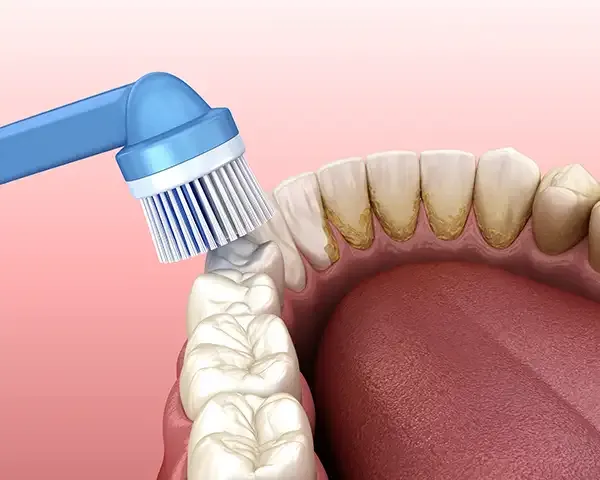 ntal Disease?
Periodontal disease, commonly known as gum disease, is a bacterial infection that affects the gums and supporting structures of the teeth. It begins with plaque buildup along the gumline. If plaque is not removed through daily brushing and flossing, it hardens into tartar, which can only be removed professionally.
There are two primary stages of gum disease:
Gingivitis – The earliest stage, characterized by red, swollen, or bleeding gums. At this stage, the condition is typically reversible with professional cleanings and improved oral hygiene.
Periodontitis – A more advanced stage where infection spreads below the gumline, damaging gum tissue and the bone that supports the teeth. This stage requires more extensive periodontal treatment.
Without proper care, periodontitis can lead to loose teeth, receding gums, and eventual tooth loss. Early diagnosis is key to preventing irreversible damage.
Common Signs and Symptoms of Gum Disease
Recognizing the symptoms of gum disease allows for earlier and more effective periodontal treatment. While some cases may present mild discomfort, others can progress without obvious pain.
Common warning signs include:
- Bleeding Gums – Especially during brushing or flossing.
- Persistent Bad Breath – Caused by bacteria trapped below the gumline.
- Swollen or Tender Gums – Inflammation is often one of the first noticeable symptoms.
- Gum Recession – Teeth may appear longer as gums pull away.
- Loose or Shifting Teeth – A sign of advanced bone loss.
- Pus Between Teeth and Gums – Indicates infection that requires immediate attention.
If any of these symptoms are present, a periodontal evaluation at Beckley Family Dental can determine the appropriate course of action.
Causes and Risk Factors for Periodontal Disease
While plaque buildup is the primary cause of gum disease, several factors increase the likelihood of developing periodontal issues.
These include:
- Poor Oral Hygiene – Inconsistent brushing and flossing allows plaque to accumulate.
- Tobacco Use – Smoking weakens the immune system and makes it harder for gums to heal.
- Genetics – Some individuals are more predisposed to gum disease.
- Hormonal Changes – Pregnancy, menopause, and puberty can increase gum sensitivity.
- Medical Conditions – Diabetes and other systemic diseases can affect gum health.
- Certain Medications – Some prescriptions reduce saliva flow, increasing bacterial growth.
Understanding these risk factors allows patients to take proactive steps in protecting their gum health.
Types of Periodontal Treatment
Periodontal treatment varies depending on the severity of the condition. At Beckley Family Dental, treatment plans are tailored to each patient’s needs, focusing on eliminating infection and restoring gum health.
Common treatment options include:
- Professional Dental Cleanings – For early-stage gingivitis, routine cleanings remove plaque and tartar buildup.
- Scaling and Root Planing – A deep cleaning procedure that removes bacteria from below the gumline and smooths tooth roots to promote healing.
- Antibiotic Therapy – Local or oral antibiotics may be used to control infection.
- Periodontal Maintenance – Ongoing specialized cleanings performed more frequently than routine exams to prevent recurrence.
- Surgical Treatments – In advanced cases, procedures such as flap surgery or bone grafting may be necessary to restore damaged tissue.
Scaling and root planing is one of the most common non-surgical periodontal treatments. By thoroughly cleaning below the gumline, this procedure helps gums reattach to teeth and reduces pocket depth.
For patients with severe bone loss or deep periodontal pockets, surgical intervention may be recommended to access infected areas and regenerate supporting structures.
The Importance of Early Intervention
Early periodontal treatment significantly improves outcomes. Gingivitis can often be reversed with prompt professional care and improved home hygiene. Once gum disease progresses to periodontitis, however, damage to bone and tissue becomes more difficult to repair.
Addressing gum disease early helps:
- Prevent Tooth Loss – Protecting the structures that hold teeth in place.
- Reduce Inflammation – Lowering the risk of chronic infection.
- Improve Overall Health – Gum disease has been linked to heart disease, diabetes, and other systemic conditions.
- Maintain Fresh Breath – Eliminating bacteria responsible for odor.
- Preserve Jawbone Density – Preventing deterioration that can affect facial structure.
Because gum disease can progress quietly, regular dental examinations play a critical role in catching issues before they worsen.
What to Expect During Periodontal Treatment
Patients undergoing periodontal treatment can expect a thorough evaluation and personalized care plan. The process typically begins with a detailed examination, including measurements of periodontal pocket depth and digital imaging if necessary.
Treatment may involve one or more appointments depending on the severity of the condition. Local anesthesia is often used during deep cleanings to ensure comfort. After treatment, mild tenderness or sensitivity may occur, but this usually resolves within a few days.
Our dental team at Beckley Family Dental also provides guidance on improving at-home oral hygiene. Proper brushing techniques, daily flossing, and possibly antimicrobial rinses are essential components of successful periodontal care.
Follow-up visits for periodontal maintenance are typically scheduled every three to four months. These visits help monitor healing, remove any new buildup, and prevent recurrence.
Preventing Gum Disease After Treatment
Successful periodontal treatment does not end in the dental office. Long-term gum health depends on consistent daily care and regular professional maintenance.
To reduce the risk of recurrence:
- Brush Twice Daily – Use a soft-bristled toothbrush and fluoride toothpaste.
- Floss Every Day – Remove plaque between teeth and along the gumline.
- Use Antimicrobial Mouthwash – Helps reduce bacteria in hard-to-reach areas.
- Attend Regular Dental Visits – Ongoing monitoring ensures early detection of new concerns.
- Maintain a Balanced Diet – Proper nutrition supports gum tissue health.
- Avoid Tobacco Products – Smoking significantly increases the risk of periodontal disease.
Consistency is key. Even patients who have experienced advanced periodontitis can maintain stable oral health with proper care and routine periodontal maintenance.
Comprehensive Periodontal Care in Canby, OR
Protecting your gums is essential for preserving your smile and overall well-being. Periodontal treatment addresses the underlying causes of gum disease, helping prevent complications that can affect both oral and systemic health.
At Beckley Family Dental, our dental team is committed to delivering thorough, patient-focused periodontal care in Canby, OR. Through early detection, customized treatment plans, and ongoing maintenance, patients can achieve healthier gums and long-term stability.
Healthy gums provide the support your teeth need to function properly and look their best. With professional periodontal treatment and consistent preventive care, you can safeguard your smile for years to come.